August 11, 2026
Upgrading your home with a new driveway from a professional paving contractor brings a fresh look to your property while adding daily convenience. Knowing what happens during each phase of the project keeps you informed and confident in your property improvement plans.
Assessing Property Requirements
Planning a new driveway begins with reviewing how your family will use the space every day. Consider how many vehicles you need to park and whether you need space for turning around safely. Addressing special accessibility needs or adding custom border patterns should also happen during these early planning stages. Evaluating these options upfront ensures your finished surface fits your daily lifestyle.
Setting Your Project Budget
Establishing a realistic budget with your paving contractor helps guide every decision from material selection to design layout. Project costs naturally depend on the overall size of the working area and the condition of the ground. Preparing a clear financial plan ensures that your project moves forward without unexpected pauses.
Choosing Asphalt Thickness
Selecting the right materials determines how well your new surface handles heavy daily vehicle traffic over the years. According to WifiTalents, typical asphalt driveway thickness ranges from two to four inches. Working with an experienced paving contractor ensures that your new surface receives the proper depth and compaction needed for long-lasting durability.
Reviewing Local Permits
Checking local building codes and property guidelines prevents costly delays before construction starts. Municipal rules often govern surface slopes, property setbacks, and how rainwater drains off your land. Securing the necessary permits beforehand keeps your project fully compliant with local standards.
Preparing the Construction Site
Before laying a fresh surface, workers must clear away old pavement, vegetation, and loose debris. Excavating the site to the correct depth establishes a clean slate for the new structural layers underneath. Proper clearing prevents underlying organic matter from decaying and causing future surface dips.
Managing Surface Water Runoff
Directing water away from your home and driveway surface is vital for preventing erosion and surface cracking. Proper site grading ensures that rainwater flows naturally toward appropriate drainage areas instead of pooling on top of the pavement. Addressing drainage issues early protects your structural investment.
Stabilizing the Underlying Ground
A long-lasting driveway requires a dense, stable foundation that supports heavy vehicle weight without shifting. Compacting the underlying natural soil prevents future settling and surface sagging. Testing and preparing the ground properly ensures your new pavement remains level over time.
Locating Underground Utility Lines
Identifying underground pipes, gas lines, and electrical cables is a critical safety step before any digging begins. Marking utility locations prevents accidental service disruptions and protects workers during site excavation. Taking this precaution ensures that digging equipment operates safely across your property.
Compacting the Aggregate Sub-Base
Laying a crushed stone sub-base provides the primary strength and drainage support for your new driveway. Compacting this heavy aggregate layer creates a solid foundation capable of supporting heavy trucks and cars. A well-built sub-base prevents top-layer cracking and keeps your driveway performing reliably through changing seasons.
Coordinating Material Logistics
Coordinating the arrival of materials keeps the project moving smoothly from start to finish. Fresh asphalt must arrive on site at precise temperatures to ensure proper compaction and smooth finishing. Careful scheduling prevents idle crew time and keeps construction moving according to plan.
Organizing On-Site Storage
Setting aside a secure area for equipment and supplies keeps the workspace safe and organized. Keeping raw materials protected from standing water or dirt contamination preserves their overall quality. A tidy job site allows workers to access tools easily and move around efficiently.
Executing the Installation
Applying the hot asphalt mixture onto the prepared sub-base transforms your planning into a finished structure. Paving equipment spreads the material evenly to match the exact dimensions of your design layout. An experienced paving contractor ensures that the material is laid at the proper depth and temperature for maximum strength.
Creating Precise Drainage Slopes
Maintaining accurate levels and gentle slopes ensures that water drains off the new surface effectively. Workers use leveling tools throughout the laying process to eliminate low spots where water might collect. Proper slopes prevent standing water, which can weaken asphalt surfaces over time.
Compacting the Surface
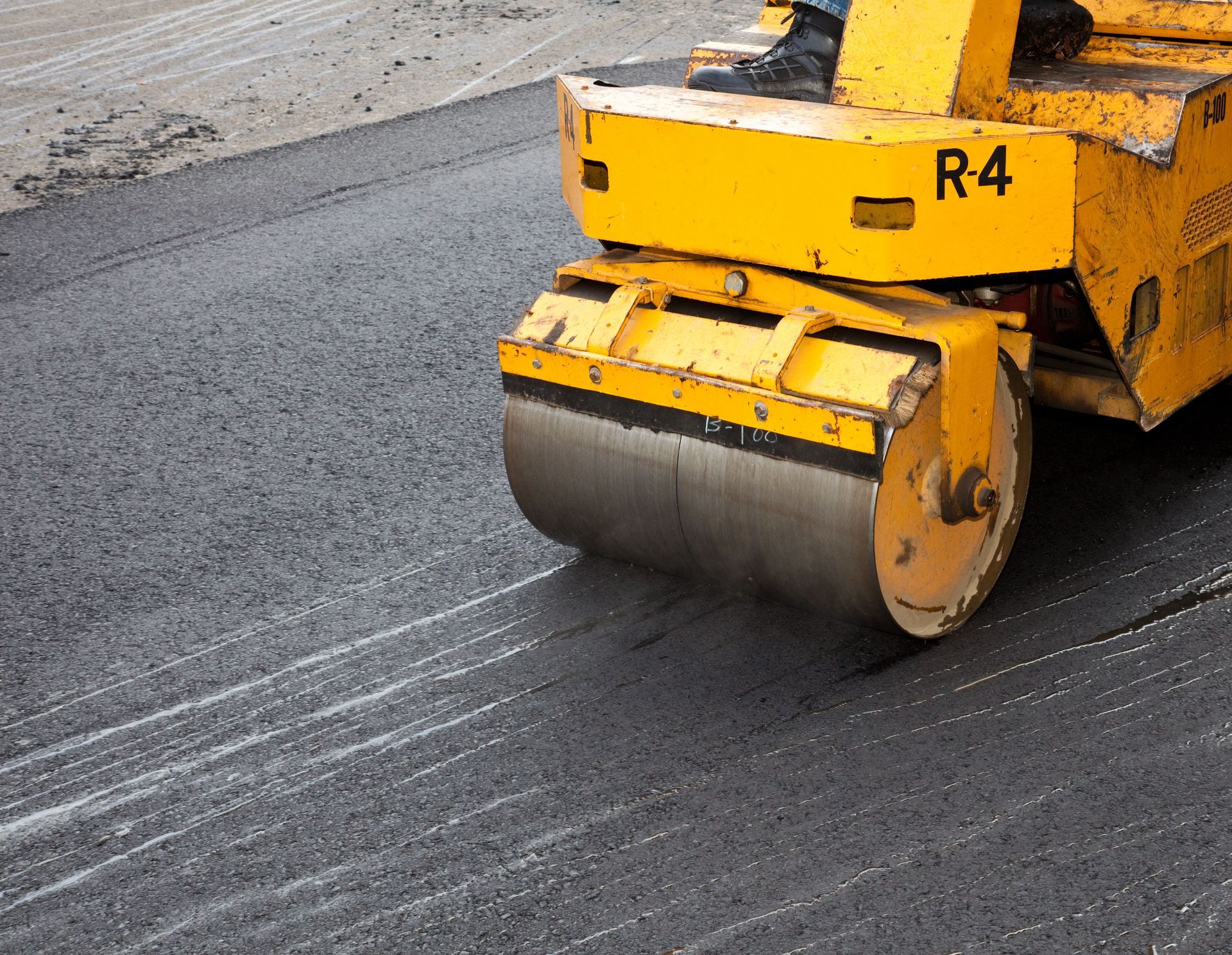
Rolling and compacting the hot asphalt binds the aggregate together into a dense, solid pavement layer. Heavy rollers pass over the surface repeatedly while the material remains hot and pliable. Thorough compaction seals the surface against moisture infiltration and creates a smooth finish.
Managing Curing Times
Allowing the fresh asphalt time to cool and cure completely is essential before driving or parking vehicles on it. Steering clear of the new surface during the initial curing period prevents tire marks and surface indentations. Following proper curing guidelines ensures your driveway achieves its maximum hardness.
Adding Finishing Touches
Trimming and compacting the outer edges of the driveway creates clean, sharp lines along your lawn or walkways. Tapering the edge at a smooth angle prevents the sides from sloughing off under heavy vehicle weight. Neat edgework gives your entire front yard a polished, professional look.
Sealing for Long-Term Protection
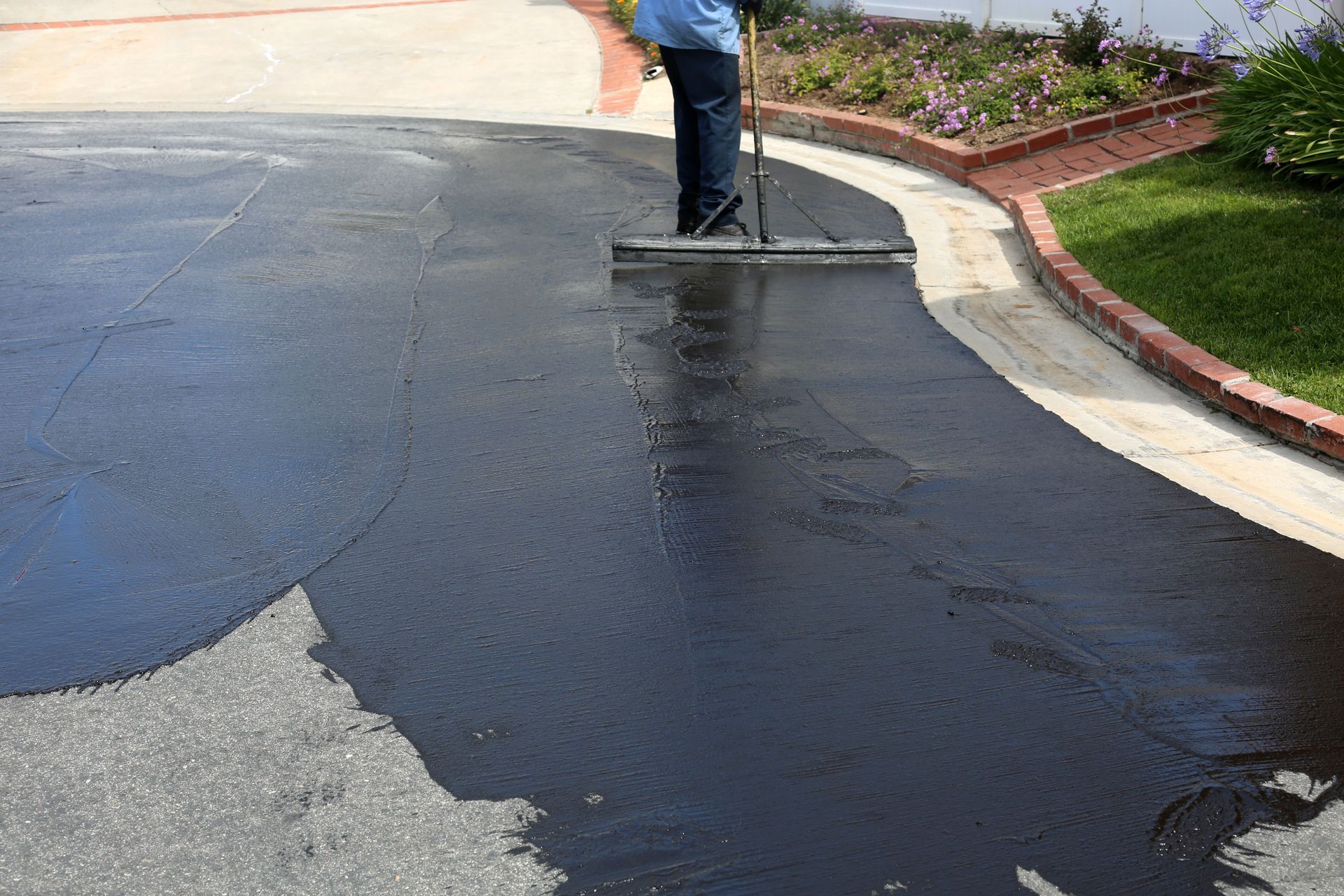
Applying a protective seal coat defends the fresh surface against sun damage, motor oil spills, and water penetration. While fresh asphalt needs time to cure before its first sealing, planning for future seal coating extends its lifespan. Regular sealing keeps the pavement flexible and dark.
Integrating Walkways and Lighting
Connecting your new driveway smoothly to existing sidewalks, front steps, and garden borders enhances your home's overall curb appeal. Installing low-voltage landscape lighting along the edges improves nighttime visibility and adds a welcoming touch. Combining these features creates a cohesive look for your front entrance.
Performing Final Quality Checks
Conducting a detailed final walk-through guarantees that every aspect of the installation meets your expectations. Inspecting the surface finish, edge alignment, and drainage performance confirms that the work is complete. Thorough quality checks give you complete confidence in your new driveway.
Maintaining Your Driveway Surface
Taking special care during the first few weeks protects your fresh asphalt while it continues to harden. Avoid parking heavy vehicles in the same spot for long periods, and refrain from turning steering wheels while your car is sitting still. Simple care habits during warm weather prevent scuff marks and preserve the smooth finish.
Following Routine Maintenance
Sweeping away leaves, dirt, and gravel keeps your driveway looking clean and prevents organic debris from trapping moisture. Washing off oil drips promptly stops chemicals from softening the asphalt binder underneath. Regular maintenance keeps your driveway looking vibrant and delays the need for major repairs.
Adapting to Seasonal Shifts
Adjusting your care routine for winter weather protects the asphalt from freeze-thaw damage. Using plastic shovels instead of sharp metal blades prevents surface scratches while clearing snow. Applying non-corrosive traction products instead of harsh de-icing chemicals protects the pavement binder from breaking down.
Repairing Small Surface Cracks
Filling small hairline cracks as soon as they appear stops water from seeping into the sub-base below. Preventing water from penetrating under the pavement stops small cracks from expanding into larger potholes during winter freezes. Prompt crack repairs preserve structural integrity and save money on future fixes.
Evaluating Future Paving Needs
Monitoring the overall condition of your pavement helps you decide when it is time for routine maintenance or professional resurfacing. Watching for signs of wear like fading color, surface roughness, or minor cracking helps you plan maintenance proactively. Working with a paving contractor ensures your surface receives expert care whenever updates are needed.
Upgrading your driveway with a smooth asphalt surface enhances your property's appearance and provides reliable daily functionality. From initial ground grading to final rolling, careful attention to every detail ensures a long-lasting result. When you are ready to start your driveway project, working with an experienced paving contractor makes the entire process simple and stress-free.
For reliable service, expert advice, and quality driveway installations, contact Morlock Asphalt Ltd today to discuss your project.