September 10, 2026
A smooth and durable parking lot is vital for any commercial facility, creating an immediate first impression for visitors and customer traffic. Commercial properties often host hundreds of vehicles daily, placing constant mechanical strain on pavement surfaces. Asphalt surfaces endure constant punishment from heavy vehicles, thermal expansion, fluctuating weather conditions, and corrosive automotive chemical spills. Over time, these daily stresses degrade the binder, leading to visible surface defects and structural failures. Working alongside an experienced parking lot contractor ensures that routine surface issues are caught early before requiring complete structural reconstruction. Understanding how commercial paving specialists evaluate, preserve, and rehabilitate asphalt allows property owners to manage their exterior assets proactively while optimizing overall maintenance budgets.
Understanding Common Asphalt Surface Defects
Asphalt failure rarely occurs overnight, typically beginning with minor surface irregularities that worsen without proper intervention. Water infiltration serves as the primary catalyst for severe pavement deterioration. When water enters tiny surface fissures, it weakens the aggregate base layer beneath. During colder months, trapped moisture expands upon freezing, dislodging surrounding aggregate and breaking apart the asphalt matrix. An attentive parking lot contractor inspects high-traffic zones regularly to identify early signs of failure, such as alligator cracking, unraveling aggregate, and localized depressions. Addressing surface degradation in its initial stages prevents deep subbase contamination and avoids far costlier structural repairs down the road.
Preventing Early Failure Through Proactive Maintenance
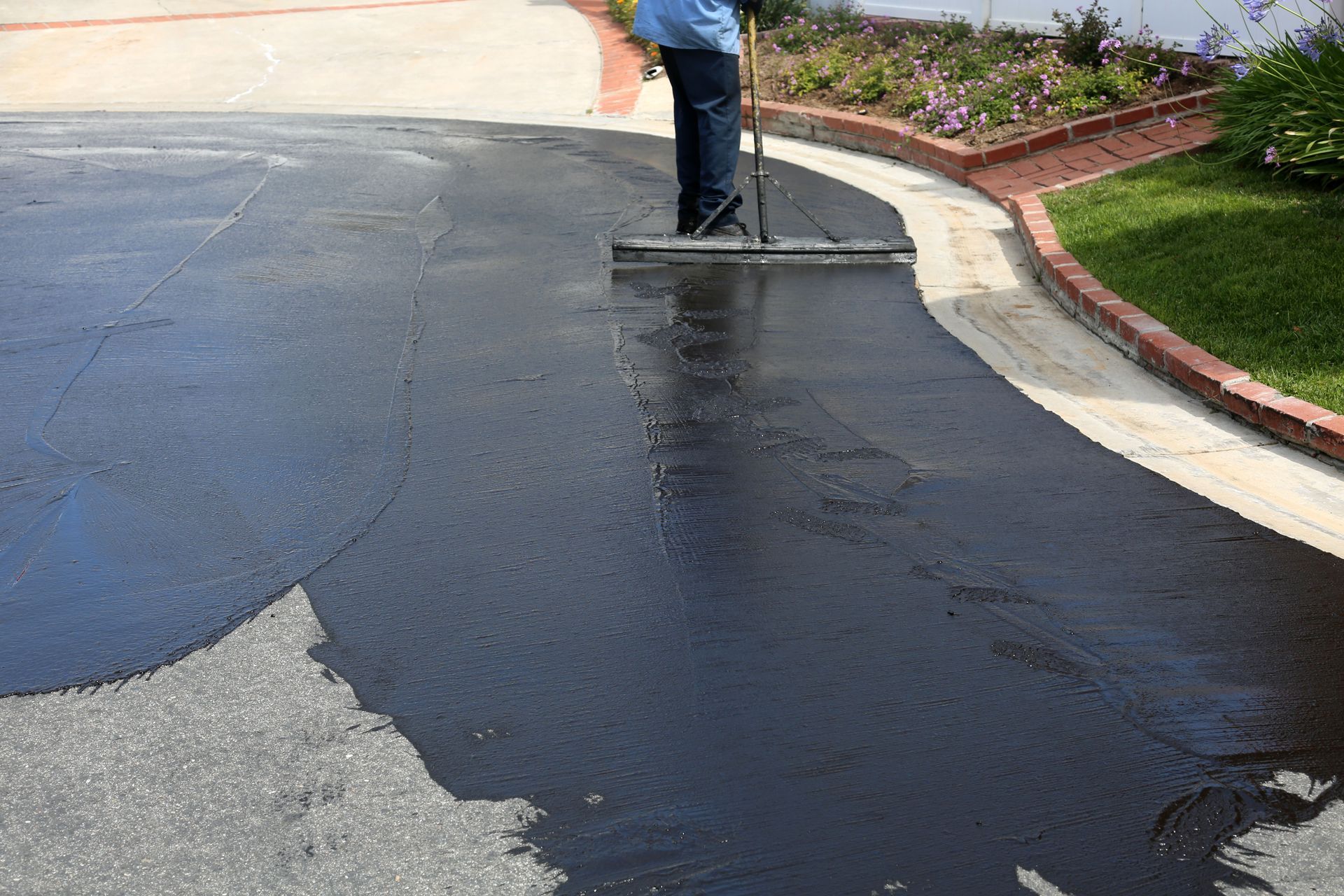
Prevention remains the most cost-effective strategy for extending the service life of commercial asphalt assets. Routine maintenance protects the underlying structural layers from moisture penetration and harmful ultraviolet radiation. Ultraviolet light oxidizes the asphalt binder, causing the pavement to turn gray, brittle, and susceptible to cracking. Implementing preventive care routines can nearly double the useful life of a commercial parking lot. Scheduling a skilled parking lot contractor to apply protective sealcoating every two to three years seals small pores and restores essential surface flexibility. Additionally, establishing a routine schedule for cleaning surface debris, managing surrounding drainage, and removing daily automotive fluid drips prevents binder breakdown, ensuring the pavement maintains its structural integrity over decades of continuous traffic.
Managing Drainage To Eliminate Surface Water Hazards
Proper water management is fundamental to extending pavement life, as standing water rapidly degrades asphalt binders and erodes structural subbases. Improper slope design, clogged catch basins, and inadequate curbing cause standing water, which accelerates pothole formation and creates winter freeze hazards. Partnering with an expert parking lot contractor ensures that your property's drainage systems are thoroughly inspected and engineered to direct runoff away from active traffic lanes. Implementing corrective measures like installing trench drains, adjusting catch basin elevations, or regrading surface slopes effectively prevents standing water pooling, safeguarding the asphalt structure from early degradation while reducing liability risks for site visitors.
Crack Sealing Techniques That Protect Pavement Life
Unsealed cracks allow moisture to flow freely into the underlying pavement structure, destabilizing the base layers and accelerating widespread failure. Commercial repair crews use specialized crack filling methods to seal these vulnerable points effectively. Professional technicians thoroughly clean out debris, dirt, and moisture from open cracks using high-pressure air lances or mechanical routing tools. Once prepared, a certified parking lot contractor injects a hot-applied elastomeric rubberized asphalt filler directly into the void. This flexible material expands and contracts naturally alongside temperature variations, creating a durable watertight barrier that prevents moisture intrusion while halting further pavement movement and cracking.
Patching Methods That Structural Engineers Recommend
When pavement damage develops into localized potholes or severe depressions, full-depth patching becomes necessary to restore structural capability. Surface skin patches offer a quick cosmetic adjustment, but structural failures require cutting out the entire compromised section down to the aggregate foundation. Hiring a reliable parking lot contractor guarantees that distressed asphalt is cleanly sawn, excavated, and replaced with fresh, compacted hot-mix asphalt. High-density compaction during installation prevents future settling under heavy axle loads. The edge joints are treated with tack coat adhesive to secure a seamless bond between old and new surfaces. Thorough mechanical compaction ensures the patched area carries heavy vehicle loads safely without settling or creating new surface hazards.
Sustainable Repair Practices In Modern Paving
Modern commercial paving practices increasingly emphasize sustainability, cost efficiency, and environmental responsibility throughout the repair process. Pavement recycling plays a massive role in reducing the environmental impact of asphalt production and site reconstruction projects. According to Wifi Talents, asphalt holds the title of America's most recycled material, boasting an impressive 99% recycling rate. Milling machines grind up damaged surface layers, creating reclaimed asphalt pavement that is reintroduced into new hot-mix formulations. Partnering with a forward-thinking parking lot contractor allows property managers to take advantage of these eco-friendly methods, conserving valuable natural resources while lowering overall material costs without compromising on pavement strength or longevity.
Milling And Overlay Solutions For Aging Surfaces
When asphalt experiences widespread cosmetic damage while the underlying subbase remains structurally sound, a complete removal is often unnecessary. In these scenarios, surface milling combined with a thin asphalt overlay offers an ideal mid-life restoration strategy. Specialized milling equipment grinds off the top one to two inches of oxidized, cracked pavement, leaving behind a textured, level surface. A qualified parking lot contractor then applies a fresh layer of dense-graded hot-mix asphalt over the milled foundation. This technique restores structural smoothness, optimizes surface drainage, and delivers the aesthetic look of a brand-new lot at a fraction of full reconstruction expenses.
Managing Subgrade Stability And Soil Reinforcement
A parking lot's surface strength is only as durable as the subgrade layers supporting it beneath the surface. Heavy commercial traffic and poor soil conditions can cause deep-seated rutting, base failure, and severe structural depressions that cannot be solved by surface patching alone. Paving engineers inspect subbase moisture, soil density, and load-bearing capacity to determine whether geotextile stabilization fabrics or soil stabilization agents are necessary. Injecting subgrade binders or laying down high-strength synthetic geotextiles reinforces weak soil foundations, evenly distributing wheel weight and preventing structural movement. Addressing base stabilization ensures that subsequent surface overlays and asphalt patches remain secure and flat over prolonged operational lifespans.
Restoring Pavement Markings And Directional Signage
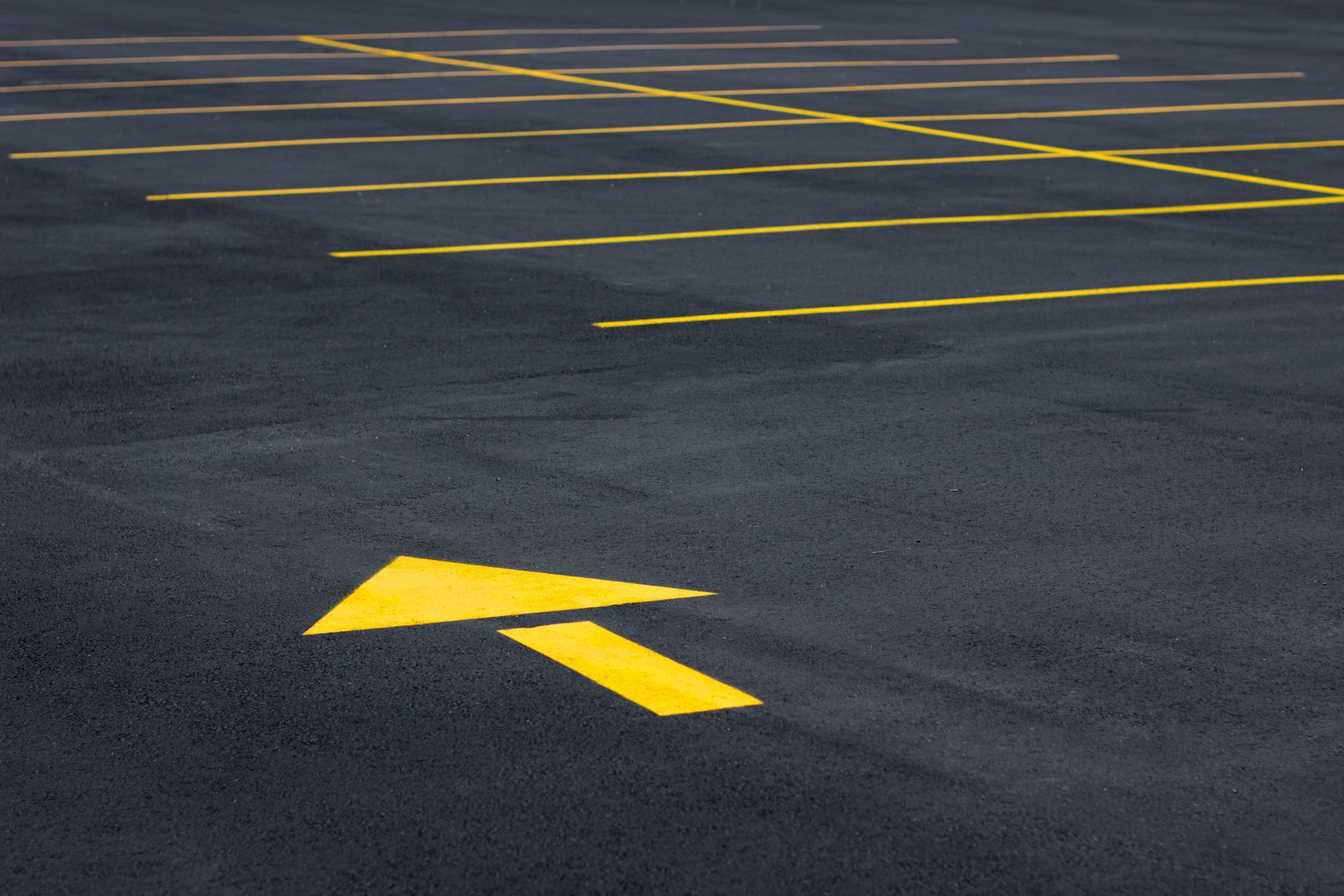
Repairing structural asphalt damage represents only part of a comprehensive pavement restoration plan. Clear traffic markings and highly visible stall lines are essential for maintaining safety and orderly traffic flow across commercial properties. Fresh paint layout design ensures full compliance with local regulatory guidelines and accessibility standards. After completing patching, sealcoating, or overlaying, a parking lot contractor applies high-durability traffic paints to re-establish stall boundaries, crosswalks, loading zones, and accessible parking spaces. Bright, standardized line striping minimizes vehicular collisions, improves legal compliance, and ensures that the newly repaired surface appears polished, professional, and welcoming to every client who arrives on the property.
Executing long-lasting asphalt repairs requires specialized heavy machinery, quality raw materials, and deep technical expertise regarding local climate conditions and soil stability. Selecting an established parking lot contractor ensures that every repair stage, from initial defect diagnosis to final compaction and line striping, adheres strictly to engineering standards. Professional paving specialists evaluate drainage slopes, traffic volume patterns, and subgrade strength to recommend tailored maintenance schedules rather than generic fixes. Investing in high-quality workmanship protects property values, reduces liability risks associated with trip hazards, and guarantees that your pavement asset delivers maximum operational performance for years to come. Contact Morlock Asphalt Ltd today to schedule a comprehensive site evaluation and secure expert paving solutions tailored to your commercial property.