November 11, 2026
A smooth asphalt surface does more than improve the appearance of a driveway, parking lot, or roadway. It also contributes to safer driving conditions, better drainage, reduced vehicle wear, and a more comfortable experience for pedestrians and motorists. Achieving these results requires careful planning, appropriate materials, specialized equipment, and skilled installation techniques. From preparing the ground to applying the final layer, every stage of an asphalt paving project influences the finished surface. Asphalt companies use established construction practices and modern equipment to create pavement that can withstand regular traffic and changing weather conditions. Understanding how these processes work can help property owners recognize the importance of professional paving and the details that contribute to a smoother, more durable result.
Preparing the Ground for Better Results
One of the most important steps in creating a smooth asphalt surface happens before any asphalt is installed. Proper site preparation establishes the foundation that supports the finished pavement. Without a stable base, even high-quality asphalt can develop uneven areas, cracks, and depressions over time.
The preparation process typically begins with evaluating the existing surface and surrounding ground conditions. Contractors examine the property's grading, soil stability, drainage patterns, and intended traffic loads. These details help determine whether excavation, additional stone, or other groundwork is necessary before paving can begin.
Excavation removes unsuitable materials and creates enough space for the planned pavement structure. Afterward, contractors may install and compact a layer of crushed stone or aggregate. This base layer distributes vehicle weight and provides structural support for the asphalt above it. Proper compaction is especially important because loose or uneven materials can shift under pressure, eventually creating dips and other surface imperfections.
Grading is another essential part of preparation. Contractors establish the appropriate elevations and slopes to encourage water to move away from the pavement. Standing water can weaken asphalt over time, particularly when moisture enters small cracks and experiences repeated freezing and thawing. By addressing these conditions before installation, asphalt companies help establish a more consistent foundation for the finished surface.
Selecting Materials for Consistent Surfaces
The materials used during an asphalt project influence how smooth the pavement feels and how well it performs. Asphalt mixtures generally combine aggregates, such as crushed stone, sand, and gravel, with a petroleum-based binder that holds the materials together. The proportions and characteristics of these components affect the mixture's strength, flexibility, and surface texture.
Different projects require different asphalt mixtures. A commercial parking lot that regularly accommodates delivery trucks may need a different pavement structure than a residential driveway with lighter traffic. Roadways, industrial properties, and other heavily traveled areas also have specific performance requirements.
Aggregate size and distribution play an important role in determining the finished texture. A properly designed mixture helps create a consistent surface while providing enough strength to withstand repeated vehicle loads. The binder helps keep the aggregate connected, allowing the pavement to maintain its structure under changing temperatures and everyday use.
Temperature also matters when working with asphalt. Hot-mix asphalt must remain within an appropriate temperature range during transportation, placement, and compaction. If the material cools too quickly, it can become more difficult to spread and compact evenly.
Experienced asphalt companies account for these considerations when planning a project. Choosing an appropriate mixture and coordinating material delivery helps create conditions for consistent installation and a more uniform finished surface.
Applying Asphalt With Precision
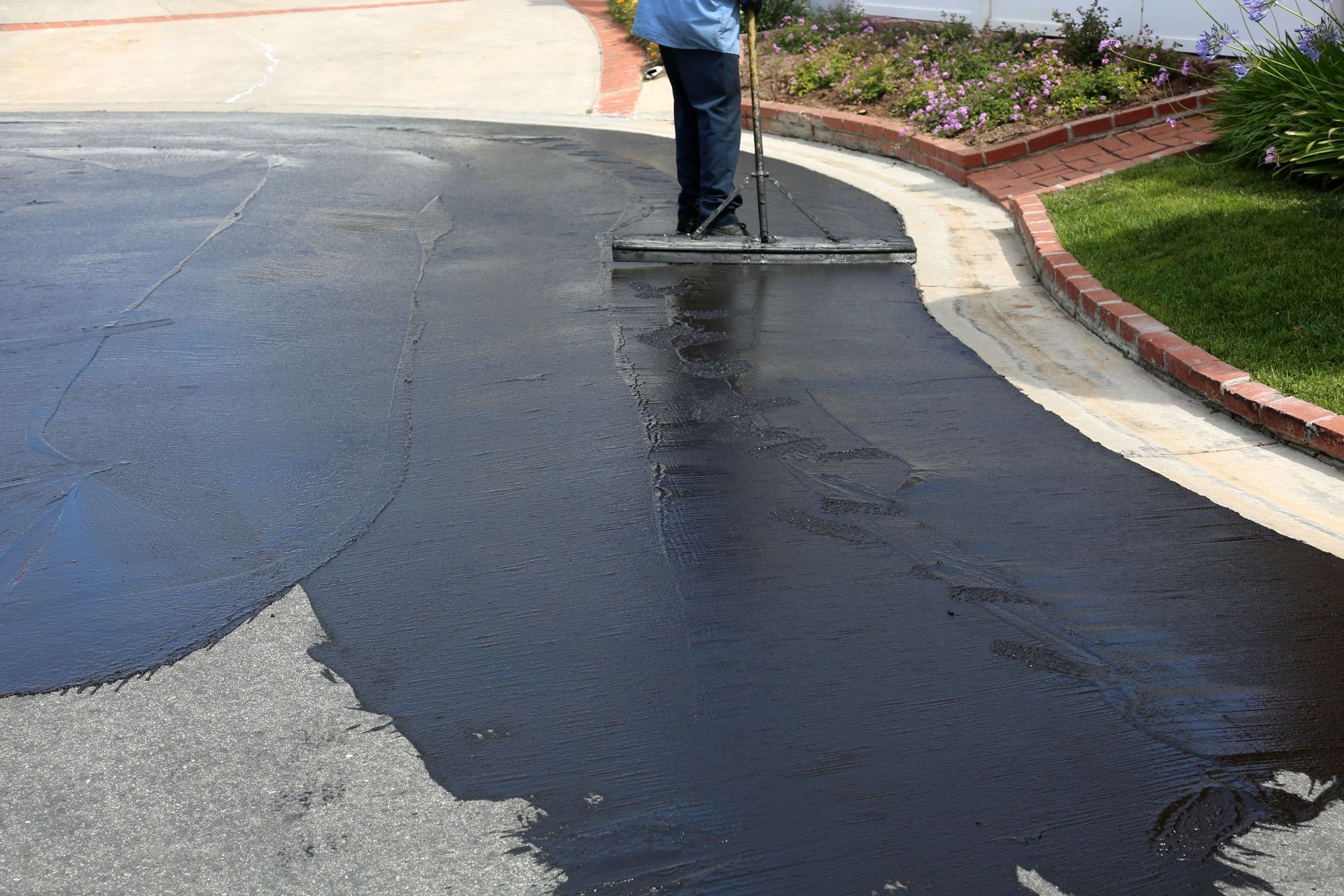
Once the foundation is ready and the materials have been prepared, the paving process can begin. Proper asphalt placement requires coordination between the paving crew, delivery vehicles, and specialized machinery. Each part of the operation contributes to the consistency of the finished pavement.
An asphalt paver distributes the hot mixture across the prepared area at a controlled depth and width. Its screed helps establish the initial surface profile, creating a relatively even layer before additional compaction takes place. Contractors monitor the material flow and equipment movement to avoid inconsistent thickness, gaps, and irregularities.
Maintaining a steady paving operation is important. Frequent interruptions can create temperature differences between sections, making it more difficult to achieve a uniform appearance. Consistent material delivery allows crews to maintain an organized workflow and address potential issues while the asphalt remains workable.
The paving team must also pay attention to transitions between different areas. Connections near existing pavement, curbs, entrances, and drainage structures require careful finishing to prevent abrupt changes in elevation. These details are particularly important in parking lots and driveways where vehicles regularly move between paved and unpaved surfaces.
Morlock Asphalt Ltd provides paving solutions for commercial properties throughout Northwest Ohio, handling projects that include new installations, repairs, and resurfacing. Careful placement and attention to project requirements help establish the smooth, functional surfaces property owners need.
Achieving Uniformity Through Compaction
After asphalt is placed, compaction helps transform the loose mixture into a stable pavement layer. This stage is essential because it reduces air voids within the material, brings the aggregate particles closer together, and improves the pavement's ability to withstand traffic.
Crews typically use specialized rollers to compact newly placed asphalt. Different roller types and techniques may be used depending on the mixture, pavement thickness, and project conditions. The number of passes, rolling pattern, and timing all influence the final result.
Compaction must happen while the asphalt remains warm enough to respond to the pressure of the rollers. If the material cools excessively before the process is complete, achieving the desired density becomes more difficult. Insufficient compaction can leave excessive air voids, allowing moisture to enter the pavement and contributing to premature deterioration.
However, compaction also requires attention to consistency. Uneven rolling patterns or improper equipment operation can create visible marks and irregularities. Contractors work to maintain uniform pressure and overlapping passes so that the entire paved area receives appropriate treatment.
Edges and transitions deserve additional attention because they can be more difficult to compact than open pavement areas. Properly finished edges help maintain the pavement's shape and reduce the likelihood of early deterioration.
By controlling the compaction process, asphalt companies help produce surfaces that feel more consistent while providing the density and structural support needed for everyday use.
Enhancing Comfort With Quality Pavement
Surface smoothness also influences the overall experience of using a paved area. Uneven pavement can create uncomfortable driving conditions, increase vibrations, and make pedestrian travel more difficult. Consistent asphalt surfaces help vehicles move more comfortably while supporting safer access throughout parking lots, driveways, and roadways.
Noise reduction is another potential benefit of properly designed asphalt pavement. According to the National Asphalt Pavement Association (NAPA), asphalt can reduce highway noise by up to 7 decibels, improving the driving experience and reducing the need for sound barriers. Certain asphalt mixtures and surface designs can help reduce the noise produced when vehicle tires interact with pavement.
Accessibility is also worth considering. Smooth transitions, consistent elevations, and properly finished walkways can make paved properties easier to navigate. In commercial settings, these details contribute to a more organized environment for employees, customers, and visitors.
For businesses, a well-maintained parking lot can also improve the property's overall presentation. Clear pavement markings, repaired surface damage, and consistent paving help create an orderly appearance while supporting everyday traffic flow.
Delivering a smooth asphalt surface requires more than spreading and rolling a mixture of paving materials. Proper groundwork, material selection, precise placement, consistent compaction, and effective drainage all contribute to the outcome. Ongoing maintenance then helps preserve those results as pavement experiences regular use and environmental exposure.
Asphalt companies apply these techniques to address the specific requirements of different properties, from residential driveways to commercial parking lots and larger paved areas. Understanding the importance of each installation stage can help property owners make informed decisions about their paving projects.
Morlock Asphalt Ltd brings more than 30 years of industry experience to paving projects throughout Northwest Ohio. As one of the top
asphalt companies in the area, we provide installation, resurfacing, repair, excavation, and sealcoating services for a variety of property needs. With attention to preparation, workmanship, and project requirements, professional paving can help create smoother surfaces that remain functional and dependable for years to come. Contact us today for more information.